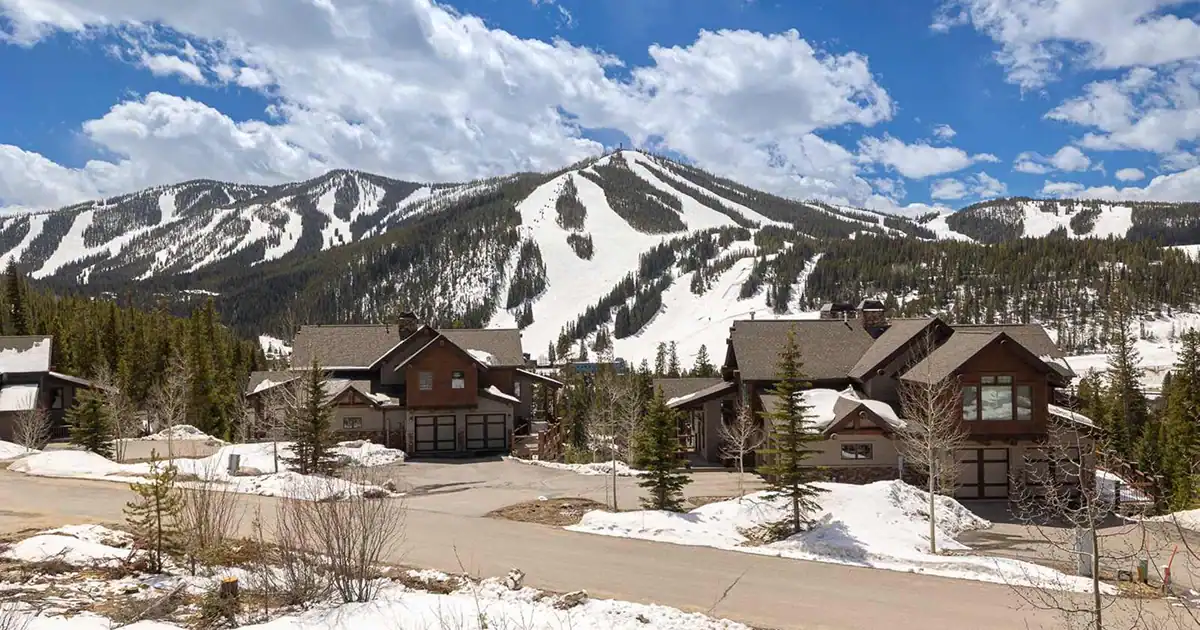

Winter Park, Colorado, is one of the most beloved mountain destinations in the state, attracting visitors year-round for world-class skiing, snowboarding, hiking, and other outdoor adventures. Located at around 9,000 feet above sea level, this beautiful alpine town delivers breathtaking views, powdery slopes, and crisp mountain air.
But the same elevation that makes Winter Park so stunning can also pose a challenge for those unfamiliar with high altitudes. Altitude sickness, also known as acute mountain sickness (AMS), is a common condition that affects many first-time visitors. Knowing the symptoms, prevention tips, and treatment options can help you stay healthy and happy during your mountain getaway.
In this guide, we’ll explore everything you need to know about Winter Park altitude sickness: what it is, who it affects, how to prevent it, and how to treat it should it occur.
Overview of Winter Park Altitude Sickness
- Winter Park elevation: ~9,000 feet above sea level
- Common AMS symptoms: Headache, nausea, fatigue, shortness of breath
- Most at risk: First-time visitors, those coming from sea level, people with respiratory or vascular illnesses
- Timeline: Symptoms often begin within 6–24 hours of arrival
- Prevention: Hydration, gradual ascent, light activity, supplemental oxygen if needed
- Good news: Most people recover quickly with rest, hydration, and basic care
What is Altitude Sickness and Its Causes
Definition
Altitude sickness (or acute mountain sickness) is the mildest form of illness caused by the body’s inability to adjust to the lower oxygen available at high altitudes. It typically affects travelers ascending to elevations over 8,000 feet without proper acclimation.
Causes
- Rapid ascent to higher elevations without giving the body time to adapt
- Dehydration, which worsens oxygen delivery and increases fatigue
- Strenuous activity shortly after arrival
- Medical risk factors such as vascular illnesses, anemia, or compromised lung function
Winter Park-Specific Factors
Visitors often ascend quickly from Denver, start skiing the same day they arrive, or experience weather-related dehydration from the dry mountain air. Combined, these factors can affect how well your body adjusts.
Symptoms of Altitude Sickness

Altitude sickness symptoms can range from mild to severe and usually occur within 6–24 hours of arriving at a high elevation.
Common symptoms include:
- Headache
- Nausea or vomiting
- Fatigue
- Shortness of breath during exertion
- Loss of appetite
- Insomnia or disturbed sleep
More severe symptoms may indicate high altitude pulmonary edema (HAPE) or high altitude cerebral edema (HACE):
- Difficulty breathing even at rest
- Chest tightness or congestion
- Mental confusion or unresponsiveness
- Difficulty walking or loss of coordination
These symtoms are rare but can become a medical emergency and require immediate descent and emergency medical care.
How to Diagnose Altitude Sickness
There is no definitive test for altitude sickness; it’s generally diagnosed based on symptoms and recent elevation change. If you begin to feel unwell shortly after arriving in Winter Park, especially with a history of similar symptoms, altitude may be the culprit.
Self-assessment includes:
- Tracking headaches, nausea, and fatigue
- Monitoring sleep disturbances
- Paying attention to any worsening symptoms
If in doubt, seek medical assistance at local clinics or visit the emergency room in Winter Park or Fraser.
How to Manage and Treat Altitude Sickness

At Home / In-Lodge
- Hydration is key. Water intake should be increased to combat dry air.
- Rest is important. Take it easy the first day and avoid strenuous activities.
- Over-the-counter medications like ibuprofen or acetaminophen can help with headaches.
- Prescription options like acetazolamide (Diamox) may be used preventatively for some people.
Supplemental Oxygen
For quick relief, oxygen canisters or in-room oxygen rentals are available. These are commonly found at:
- Winter Park Resort retail shops
- Various pharmacy locations
- Local ski and outdoor stores
For a more personalized solution, our partner Bluebird Oxygen, is a trusted provider of high-altitude oxygen rentals delivered straight to your vacation home. Their portable oxygen systems are easy to use, discreet, and effective for easing symptoms like shortness of breath, fatigue, and poor sleep at altitude.
Use code ELYSAVE10 at checkout for 10% off your Bluebird Oxygen rental.
Products Available in Winter Park
Several stores in the Winter Park area sell oxygen aids, electrolytes, and altitude-related products:
- Christy Sports
- Epic Mountain Sports
- Convenience shops in the resort base village
When to Seek Medical Help
If symptoms become severe or worse with rest, contact local providers immediately. If you are unable to breathe normally, experience chest pain, or have persistent vomiting, go to the emergency room or call for emergency medical care.
Tips for Prevention
Acclimation Strategies
- Spend a night at a lower altitude (such as Denver or Evergreen) before heading up.
- If possible, take a day or two to slowly ascend.
- Avoid high exertion during your first 24 hours in Winter Park.
Lifestyle & Activity Tips
- Avoid alcohol and limit caffeine intake.
- Eat smaller, frequent meals high in carbohydrates.
- Be mindful of weather changes and stay warm and dry.
Hydration & Nutrition
- Aim to drink half your body weight in ounces of water daily.
- Consider electrolyte packets or hydration mixes.
Activities to Watch
- Skiing, snowboarding, hiking, and biking require more oxygen at altitude.
- Take frequent breaks on the slopes or trails.
Consider Products to Help
- Portable oxygen canisters
- Altitude sickness tablets
- Hydration drinks (like Liquid IV or Nuun)
- All are available in Winter Park Resort base stores or pharmacies
Plan a Healthy Stay in Winter Park with Elysian Destinations
Altitude sickness may be a common concern at elevations greater than 8,000 feet, but with the right preparation and awareness, it doesn’t have to affect your trip. Drink water, take it easy the first day, and listen to your body – you’ll be back to enjoying the slopes, trails, and scenic beauty of Winter Park in no time.
Make your trip even smoother by booking your stay with Elysian Destinations. Our luxury vacation rentals in Winter Park are a comfortable home base to relax and acclimate – complete with cozy amenities, stunning views, and easy access to the best of the Colorado mountains. Whether you’re recovering from a day of skiing or just want to unwind with some fresh mountain air, you’ll be glad you stayed somewhere that puts your comfort first.
Book your Winter Park escape with Elysian Destinations today and breathe easy knowing you’re in good hands.